
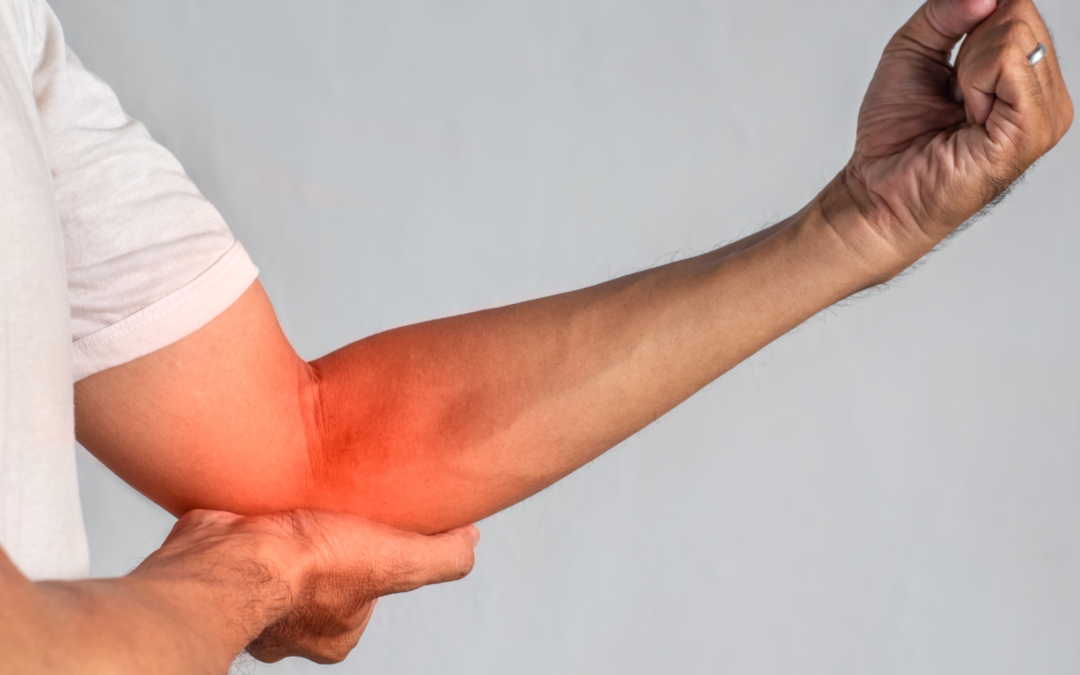
Tennis elbow is one of the most common overuse injuries affecting adults, yet many people who develop it have never picked up a tennis racket. Officially known as lateral epicondylitis, tennis elbow develops when the tendons that attach to the outside of the elbow become irritated or damaged from repetitive stress. Everyday activities such as typing, lifting, painting, gardening, golfing, or using hand tools can all contribute to the condition.
For many patients throughout Indianapolis and Central Indiana, conservative treatments such as rest, physical therapy, bracing, and anti-inflammatory medications provide relief. However, when symptoms persist for several months despite these measures, many begin to wonder whether surgery is the next step.
Fortunately, surgery is not always the only option. Platelet-Rich Plasma (PRP) therapy has become an increasingly popular regenerative medicine treatment designed to encourage the body’s natural healing process. For appropriately selected patients, PRP may help reduce pain, improve function, and potentially delay or eliminate the need for surgery.
What Is Tennis Elbow?
Tennis elbow is a condition involving microscopic damage to the tendons that connect the forearm muscles to the outside of the elbow. Unlike an acute injury, tennis elbow usually develops gradually from repeated stress over time.
- Pain along the outside of the elbow
- Weak grip strength
- Pain when lifting objects
- Discomfort while turning a doorknob or opening jars
- Pain that worsens during repetitive wrist or forearm movements
Although inflammation may be present early, long-standing tennis elbow often involves tendon degeneration rather than ongoing inflammation. This distinction helps explain why treatments focused solely on reducing inflammation may not always provide lasting improvement.
What Is PRP Therapy?
Platelet-Rich Plasma therapy uses a concentrated portion of a patient’s own blood to support the body’s natural healing response.
The procedure generally includes:
- Drawing a small sample of blood
- Separating the platelets using a centrifuge
- Injecting the concentrated platelets directly into the injured tendon using ultrasound guidance when appropriate
Platelets contain naturally occurring growth factors that help coordinate tissue repair. Rather than simply masking pain, PRP is intended to stimulate healing within damaged tendon tissue.
How Could PRP Help You Avoid Elbow Surgery for Tennis Elbow?
PRP could help you avoid elbow surgery for tennis elbow by encouraging tendon healing before surgical intervention becomes necessary. Most orthopedic specialists recommend exhausting appropriate non-surgical treatments before considering surgery. PRP may stimulate tissue healing, improve tendon quality, reduce chronic pain, restore grip strength, improve daily function, and support long-term recovery.
Who Is a Good Candidate for PRP?
Patients with chronic tennis elbow lasting longer than three to six months may be good candidates for PRP, particularly when traditional conservative treatments have not provided sufficient improvement.
- Physical therapy
- Activity modification
- Bracing
- Ice therapy
- Oral medications
- Previous corticosteroid injections with only temporary relief
An orthopedic evaluation helps determine whether PRP is appropriate for each individual.
When Is Surgery Still Necessary?
Surgery may still become necessary if severe tendon damage exists or if symptoms continue despite comprehensive non-surgical treatment. Fortunately, only a small percentage of patients with tennis elbow ultimately require surgery.
What Can You Expect During PRP Recovery?
Recovery after PRP therapy is generally much shorter than recovery after elbow surgery. Mild soreness is expected initially as the body’s natural healing response begins. Most treatment plans include temporary activity modification, progressive strengthening exercises, physical therapy, and follow-up evaluations.
Can PRP Be Combined With Other Treatments?
PRP can often be combined with physical therapy, shockwave therapy, strengthening exercises, ergonomic modifications, activity adjustments, and nutritional support to improve overall outcomes.
Why Is Early Evaluation Important?
Early evaluation is important because chronic tendon damage may become more difficult to treat over time. Prompt diagnosis allows orthopedic specialists to recommend the most appropriate treatment before symptoms worsen.
Could PRP Be the Right Next Step for Your Tennis Elbow?
PRP could be the right next step for your tennis elbow if conservative treatments have not provided lasting relief and surgery is not yet necessary. Joint Health Center of Indiana provides personalized evaluations for patients throughout Indianapolis and Central Indiana, offering regenerative medicine and non-surgical orthopedic care designed to restore function and reduce pain before surgery becomes necessary.