
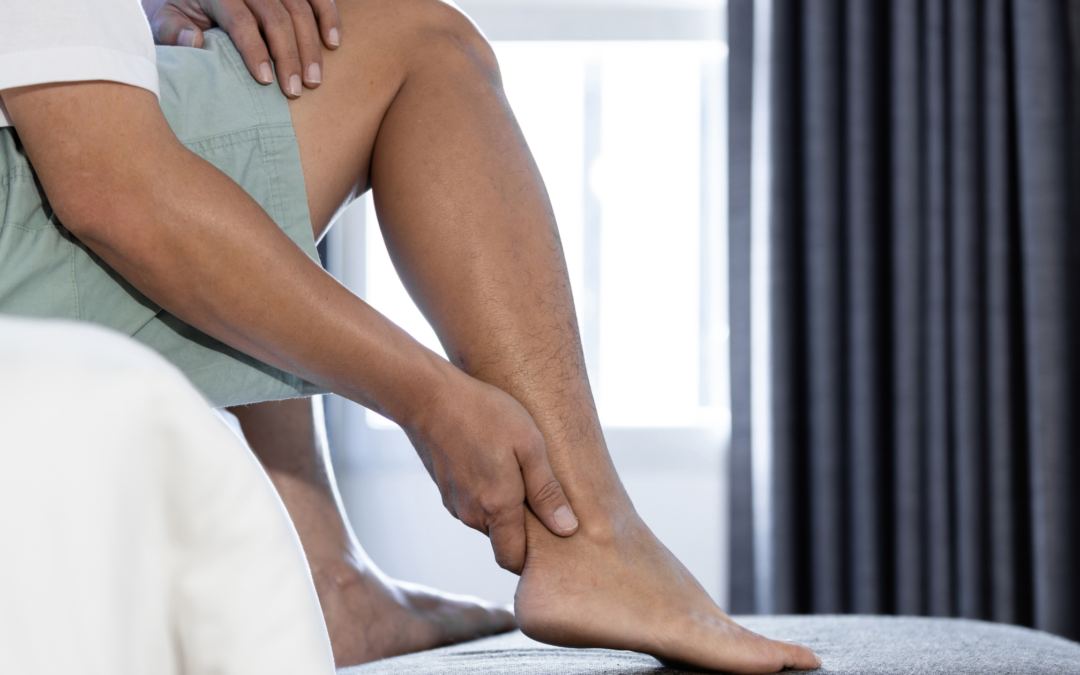
What makes chronic tendon pain difficult to treat?
Chronic tendon pain can be challenging because many tendon injuries involve more than temporary inflammation. Conditions such as tennis elbow, golfer’s elbow, Achilles tendon pain, rotator cuff tendinopathy, and patellar tendon injuries often develop from repeated stress, small tissue injuries, and changes in the tendon’s ability to repair itself. While rest and traditional treatments may provide temporary relief, some patients continue experiencing pain that affects daily activities, exercise, and quality of life.
For individuals seeking non-surgical options, emerging treatments such as shockwave therapy and platelet-rich plasma (PRP) therapy are gaining attention for their ability to address tendon pain from different angles. When combined, these therapies may provide a more comprehensive approach to supporting tendon recovery.
How does shockwave therapy help treat chronic tendon pain?
Shockwave therapy helps treat chronic tendon pain by using acoustic energy waves to stimulate activity within damaged tissues. Also known as extracorporeal shockwave therapy (ESWT) or acoustic wave therapy, this non-invasive treatment delivers controlled energy to targeted areas of the tendon.
The goal of shockwave therapy is not simply to mask pain. Instead, the treatment is designed to encourage biological responses that may improve circulation, support tissue remodeling, and help the body’s natural healing processes. Increased blood flow and cellular activity around the injured tendon may create a more favorable environment for recovery.
Shockwave therapy is commonly used for conditions such as plantar fasciitis, Achilles tendinopathy, tennis elbow, and chronic shoulder tendon injuries. For many patients, it offers an alternative when conservative treatments have not produced the desired improvement.
What is PRP therapy and how may it support tendon healing?
PRP therapy supports tendon healing by using a concentrated preparation of a patient’s own platelets to deliver growth factors that may assist the repair process. Platelets play an important role in the body’s natural healing response because they release proteins involved in tissue repair and regeneration.
During a PRP procedure, a small blood sample is collected and processed to separate the platelet-rich portion. The concentrated platelet solution is then injected into the area of tendon damage under the guidance of a medical provider.
PRP therapy is commonly explored for chronic tendon conditions because tendons have limited blood supply compared with other tissues, which can contribute to slower healing. By introducing a higher concentration of platelets directly to the injured area, PRP may help support the body’s ability to repair damaged tendon tissue.
Why are shockwave therapy and PRP considered a powerful combination?
Shockwave therapy and PRP are considered a powerful combination because they may work together to create an environment that supports tendon recovery. Shockwave therapy focuses on stimulating the injured area from the outside, while PRP delivers biological components directly to the treatment site.
This combination may be beneficial because chronic tendon pain often involves both poor tissue quality and a stalled healing response. Shockwave therapy may help activate local tissue activity and improve circulation, while PRP may provide growth factors that support repair.
Some providers use shockwave therapy before or after PRP injections as part of a customized treatment plan. The timing and number of treatments depend on the patient’s condition, the location of the tendon injury, and individual health factors.
What conditions may benefit from combining shockwave therapy and PRP?
The combination of shockwave therapy and PRP may benefit patients with several chronic tendon conditions, including:
- Tennis elbow (lateral epicondylitis)
- Golfer’s elbow (medial epicondylitis)
- Achilles tendon injuries
- Patellar tendon pain (jumper’s knee)
- Rotator cuff tendinopathy
- Chronic plantar fasciitis
- Other overuse-related tendon injuries
These conditions frequently develop when repetitive stress exceeds the tendon’s ability to recover. Athletes, active adults, and individuals with physically demanding jobs may be especially affected by chronic tendon problems.
Can shockwave therapy and PRP help patients avoid surgery?
Shockwave therapy and PRP may help some patients reduce the need for surgery by supporting healing before more invasive procedures are considered. Surgery may be recommended for certain severe tendon injuries, but many chronic tendon conditions are first managed with conservative and regenerative approaches.
By addressing the underlying tendon dysfunction rather than only reducing symptoms, these therapies may help improve pain levels, mobility, and function for appropriately selected patients.
What should patients expect during treatment with shockwave therapy and PRP?
Patients receiving shockwave therapy and PRP should expect a treatment plan designed around their specific injury and recovery goals. Shockwave therapy is typically performed in an office setting without surgery, while PRP involves a minimally invasive injection procedure.
After treatment, patients may be advised to follow activity modifications and rehabilitation exercises to support recovery. Physical therapy is often an important part of tendon care because strengthening the surrounding muscles can reduce stress on the injured tendon.
Where can patients find shockwave therapy and PRP treatment for chronic tendon pain?
Patients searching for shockwave therapy and PRP treatment for chronic tendon pain should look for providers experienced in diagnosing and treating musculoskeletal injuries. A comprehensive evaluation can help determine whether these therapies are appropriate and how they may fit into a personalized treatment plan.
Shockwave therapy combined with PRP represents an evolving approach for individuals seeking non-surgical options for persistent tendon pain. By combining mechanical stimulation with biological support, these treatments may offer a targeted strategy for helping patients return to the activities they enjoy.