Learn · Joint Pain · Orthobiologics · PRP · Regenerative Medicine
Can You Return to Work the Next Day After Regenerative Joint Treatment?
August 25, 2026 · Joint Health Center of Indiana
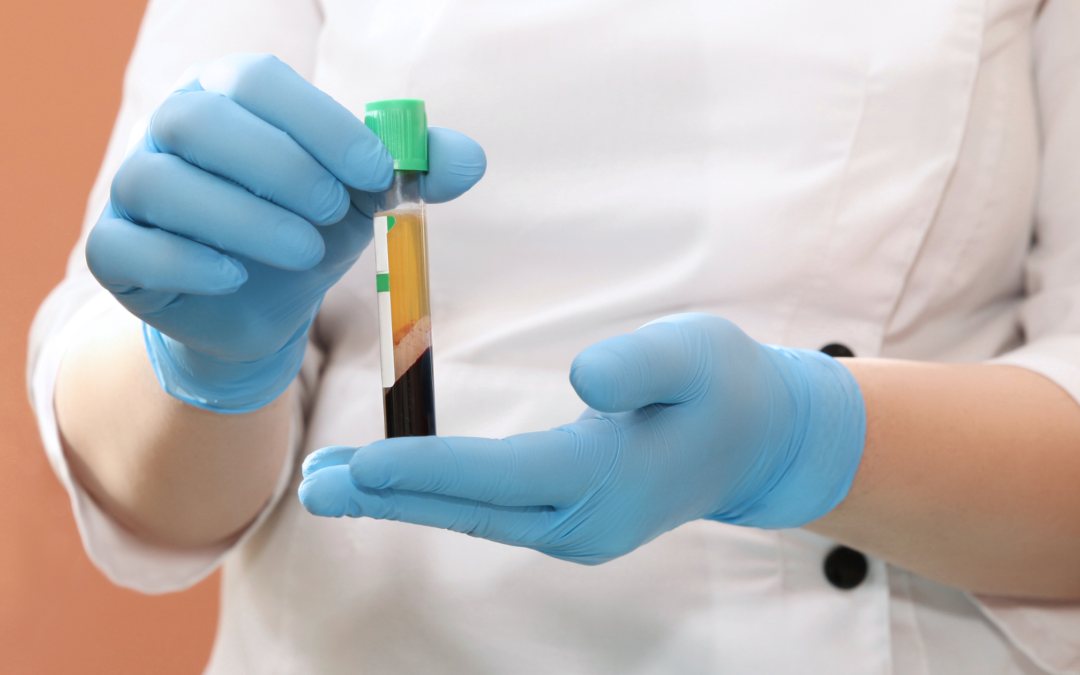
Regenerative joint treatments are increasingly used as non-surgical options for people dealing with joint pain, tendon problems, and other musculoskeletal conditions. Before scheduling, many patients ask whether they can return to work the next day after regenerative joint treatment.
For many patients, the answer is yes, particularly when their job is sedentary or does not place significant physical stress on the treated area. However, the right timeline depends on the type of treatment, the joint being treated, the physical demands of the patient’s job, and the instructions provided by the treating physician.
Knowing what recovery may look like can help you plan ahead and avoid activities that could interfere with healing.
Can you return to work the day after regenerative joint treatment?
Whether you can return to work the next day after regenerative joint treatment depends largely on what your job requires physically.
Patients with desk jobs may be able to return to work fairly quickly. Sitting at a computer, attending meetings, or performing other light-duty tasks may be possible the following day, depending on the location of the treatment and how the patient feels.
However, patients whose jobs involve heavy lifting, prolonged standing, climbing, repetitive movements, or strenuous physical activity may need more time away from regular duties or may need temporary work restrictions.
For example, a patient who receives treatment for a painful knee may be able to return to an office environment quickly but may need to avoid a warehouse job that requires lifting, squatting, climbing, or walking long distances.
The goal is to return to work safely. That means protecting the treated joint and following the recovery plan your physician recommends.
What Happens Immediately After Regenerative Joint Treatment?
After regenerative joint treatment, some patients experience temporary soreness, swelling, stiffness, or discomfort around the injection or treatment site. These symptoms can vary depending on the procedure and the area being treated.
The body may also need time to respond to the treatment. Unlike some interventions designed primarily to provide immediate symptom relief, regenerative approaches are generally intended to support the body’s healing processes over time.
As a result, patients should not assume that feeling relatively comfortable the next day means they can immediately resume strenuous activities.
A physician may recommend a short period of modified activity to avoid placing unnecessary stress on the treated joint or tissue. In some cases, patients may be advised to use supportive devices or temporarily limit weight-bearing activities.
Does the Type of Job Affect How Soon You Can Return to Work?
Yes. The physical demands of your job can significantly affect whether you can return to work the next day after regenerative joint treatment.
Sedentary and Office Jobs
People who mostly work at a desk may be able to return fairly quickly. But even desk work can be hard if long sitting or repetitive movements affect the treated area.
Patients may need to adjust their workstation, take more frequent breaks, or avoid certain movements while recovering.
Jobs That Require Standing or Walking
Workers who spend most of the day standing, walking, or moving between locations may need additional recovery time, particularly after treatment involving the knee, ankle, hip, or foot.
A physician may recommend temporarily reducing walking distances or modifying work responsibilities.
Physically Demanding Jobs
Construction workers, healthcare workers, warehouse employees, mechanics, athletes, and others with physically demanding occupations may require a longer period of restricted activity.
Heavy lifting, repetitive bending, twisting, climbing, or impact activities can place stress on the treated area. A temporary light-duty arrangement may allow some patients to return to work sooner while avoiding activities that could aggravate the joint.
How Does the Treated Joint Affect Your Return-to-Work Timeline?
The location of treatment can also influence how quickly you can resume normal work activities.
Treatment involving a shoulder or elbow may make repetitive lifting, reaching, or overhead movements more difficult. Treatment involving a knee, hip, ankle, or foot may affect walking, standing, climbing stairs, or driving.
For this reason, recovery recommendations should be matched to the specific joint and the patient’s daily responsibilities.
A person treated for a wrist problem may be able to return to work quickly if they do not perform repetitive hand movements. However, someone whose job requires constant typing, gripping, lifting, or using tools may need modifications.
Will You Need to Take Time Off After Regenerative Joint Treatment?
Some patients may not need significant time away from work, while others may benefit from taking a day or more off to rest and recover.
Taking time off may be particularly helpful if the treatment involves a weight-bearing joint, if sedation is used, or if the patient’s job is physically demanding.
Planning ahead can make the process easier. Patients may want to schedule treatment before a weekend or on a day when they can temporarily reduce physical activity.
When possible, discussing work responsibilities with the treating physician before the procedure can help establish realistic expectations.
Can You Exercise or Perform Physical Labor Right Away?
Returning to work does not necessarily mean returning to all normal physical activities.
Even if a patient can perform desk work the next day, the physician may recommend avoiding strenuous exercise, heavy lifting, running, high-impact activities, or repetitive stress for a period of time.
Gradually returning to activity may be part of the recovery process. Some patients may also be advised to participate in physical therapy, rehabilitation exercises, or a structured activity plan designed to support mobility and strength.
What Should You Ask Your Doctor Before Scheduling Treatment?
Before regenerative joint treatment, patients should ask about expected downtime and how the procedure may affect work responsibilities.
Important questions include:
- How much soreness or swelling should I expect?
- Can I drive after the procedure?
- When can I return to a desk job?
- When can I resume lifting, climbing, or other physical work?
- Will I need temporary work restrictions?
- Should I avoid exercise or sports during recovery?
- What symptoms should prompt me to contact the medical office?
Getting these answers before treatment can help patients make arrangements with their employer and plan for a smoother recovery.
What Is the Bottom Line About Returning to Work the Next Day?
Many patients can return to work the next day after regenerative joint treatment, especially when their jobs are sedentary or can be temporarily modified. However, physically demanding work may require additional recovery time or temporary restrictions.
The exact timeline depends on the treatment performed, the joint involved, the patient’s overall condition, and the physical requirements of the job.
The safest approach is to follow the instructions your treating physician gives you. Going back to normal activities too quickly may put unnecessary stress on the treated area. An appropriate recovery plan can help you return to work and daily activities at a pace that fits the treatment.
This article is intended for educational purposes only and should not replace individualized medical advice. Recovery recommendations following regenerative joint treatment vary by patient and procedure. Always follow the instructions provided by your treating healthcare professional.
This article is for education only and is not medical advice. Individual results vary. A consultation with our clinical team is required before any treatment decision.