
Learn · PRP · Chronic Pain · Joint Pain · Knee · Orthobiologics · Regenerative Medicine
Told You Have a Meniscus Tear? Surgery May Not Be Your Only Option
October 21, 2026 · Joint Health Center of Indiana
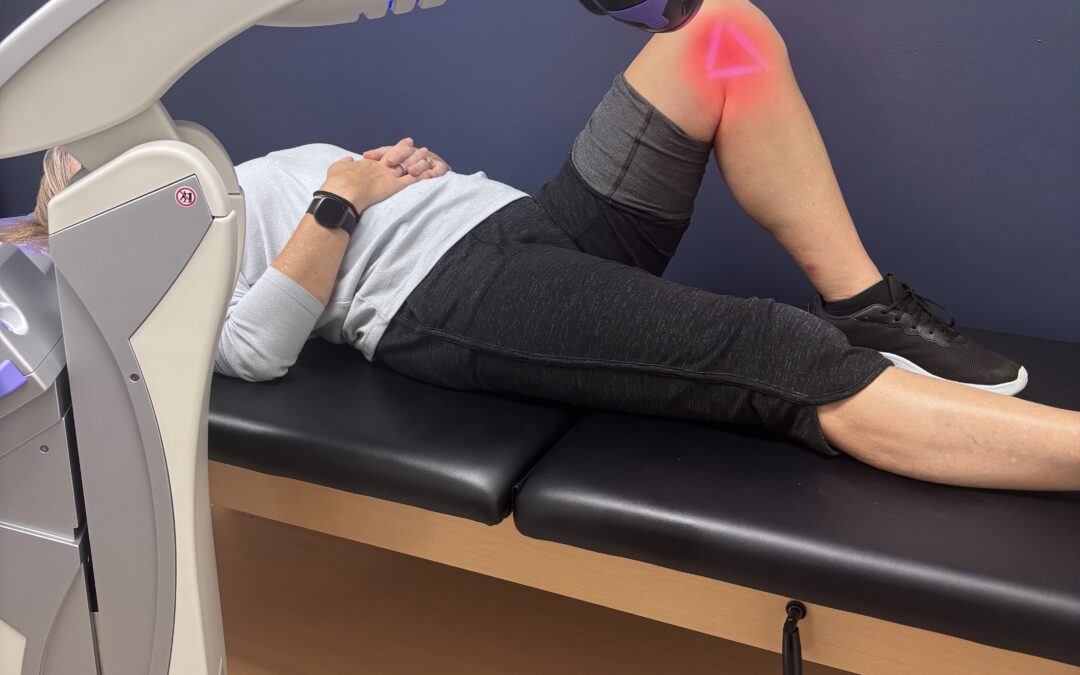
What if the most common surgery for a meniscus tear didn’t work better than doing nothing at all?
It’s what researchers set out to test, and the answer matters for anyone who’s been handed a referral for knee surgery.
What the research found
In 2013, the FIDELITY trial, published in the New England Journal of Medicine, compared the most common surgery for degenerative meniscus tears (arthroscopic partial meniscectomy) against a sham procedure, where patients went through the motions of surgery but nothing was repaired.
The two groups showed no meaningful difference in pain or function. And a growing body of evidence links this type of surgery to accelerated knee osteoarthritis over time.
So for many degenerative tears, surgery may not deliver what patients hope for, and it could even speed up joint wear later on.
Treating the Joint Instead of Removing Tissue
At Joint Health Center of Indiana, we take a conservative-care-first approach. We use regenerative treatments like PRP (platelet-rich plasma) and A2M Protein Concentrate. These injections use your body’s own biology to calm inflammation, slow cartilage breakdown, and support the joint.
There is no surgery, no anesthesia, and no lengthy recovery.
The evidence is encouraging: in a 7-year study of knee osteoarthritis patients, 90% treated with PRP avoided surgery, and they were far less likely to need repeat treatment than those given standard injections.
Why the Dose Makes a Difference
Not all PRP is equal. Research on knee arthritis points to a threshold of around 10 billion platelets as the amount needed for a joint-protecting effect. A lot of “PRP” never reaches that number, which may be why results vary so widely from one clinic to the next. We use a system built to reliably hit that threshold.
Getting Seen Shouldn’t Take Weeks
As a Direct Orthopedic Care practice, we don’t require a referral, and you won’t wait weeks for an appointment. Most of the time we can see you within a week. We evaluate the knee, give you a straight answer, and start a plan quickly.
Who’s a Candidate for Non-Surgical Treatment?
Meniscus tear treatment without surgery isn’t right for everyone, but it’s a strong fit for more people than most realize. You may be a good candidate if:
- Your tear is degenerative (from gradual wear) rather than a large, acute traumatic tear
- You’re dealing with pain, swelling, or stiffness but your knee isn’t locking or giving out
- You’d rather avoid surgery, you’re not ready for it, or you’re not a candidate for anesthesia
- You’ve tried rest, physical therapy, or injections and want a more durable next step
The only way to know for certain is a proper evaluation, including a look at your imaging and a hands-on exam. That’s where we start with every patient: understanding your specific knee, your goals, and your timeline before recommending anything.
If surgery has been presented as your only path, it’s worth getting a second opinion from a team focused on preserving your joint rather than operating on it. For the right candidate, non-surgical options can mean relief without the downtime.
Find Out If You’re a Candidate
An evaluation will tell you whether non-surgical treatment fits your situation.
Schedule online » or call (317) 210-5574
Sources: Sihvonen et al., New England Journal of Medicine, 2013 (FIDELITY Trial). Wang et al., Frontiers in Bioengineering and Biotechnology, 2022. Individual results vary; a consultation is required to determine candidacy. This article is educational and not medical advice.
This article is for education only and is not medical advice. Individual results vary. A consultation with our clinical team is required before any treatment decision.