Learn · Joint Pain · Elbow Pain · Knee · Orthobiologics · PRP · Regenerative Medicine
Regenerative Medicine in Indianapolis: PRP, A2M and Other Options Explained
October 28, 2026 · Joint Health Center of Indiana
If you’ve been researching non-surgical options for joint or tendon pain, you’ve probably run into the term “regenerative medicine” and a confusing alphabet soup of treatments under it: PRP, A2M and more. So what do they mean, and which one is right for you?
What is regenerative medicine?
Regenerative medicine is about helping your body heal the tissue that’s causing pain. Instead of a cortisone shot that quiets inflammation for a few weeks, these treatments aim to support the underlying repair your joint or tendon needs.
At Joint Health Center of Indiana, it’s one of several tools in a conservative-care-first approach. Think of the options as a spectrum, each a step up for tissue that needs more help.
PRP: Your Body’s Own Repair Signals
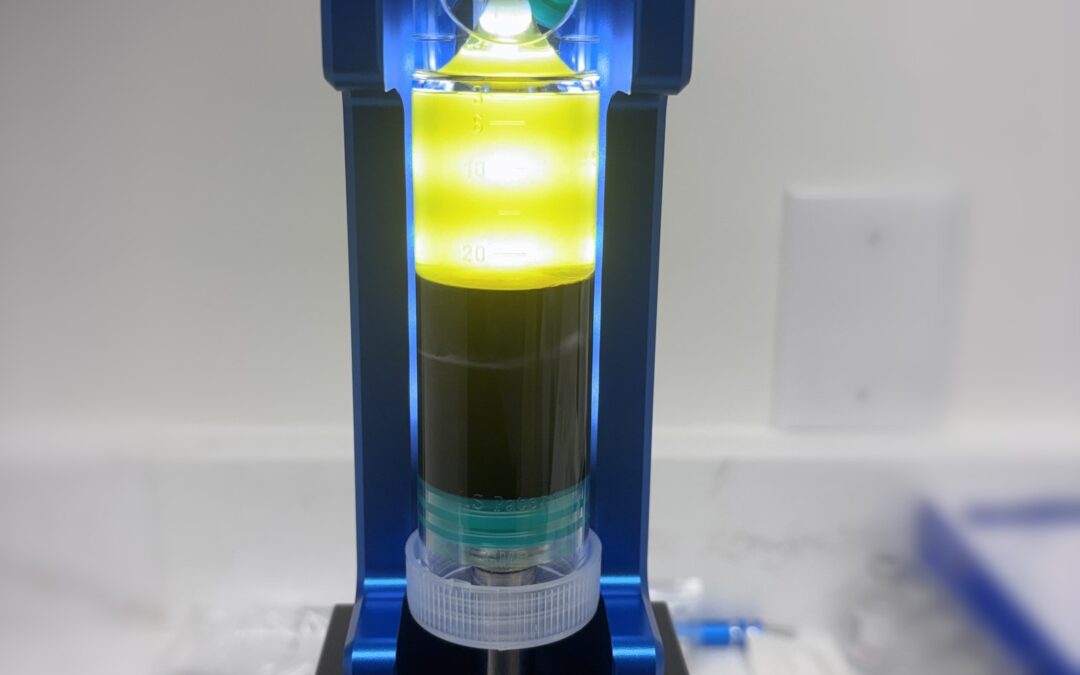
PRP (platelet-rich plasma) starts with a simple blood draw. We concentrate the platelets, the cells packed with the growth factors your body uses to repair tissue, and inject them right where you need them. Because it comes from your own body, there’s no foreign drug and no anesthesia.
With PRP, the dose matters. Research on knee arthritis points to a threshold of around 10 billion platelets for a joint-protecting effect. A lot of “PRP” never reaches that number, which is why results vary so widely between clinics. We use a system built to reliably hit it.
A2M (Protein Concentrate): Protecting Cartilage
Protein Concentrate, or A2M, targets a specific molecule that helps stop cartilage from breaking down in the first place. For the right patient, it’s a way to protect the joint you still have, especially in earlier-stage arthritis, where preserving cartilage makes the biggest difference.
A Dual Injection Series: When Tissue Needs More
A dual injection series goes a step further, for longstanding problems or for people who can’t use their own blood. It needs no blood draw. As we age, the raw materials our bodies use to repair joints and tendons decline, which is why a younger person heals faster. Whether it fits is decided in person, after we review your history.
Which One Is Right for You?
That depends on your joint, your goals, and where you’re starting from. For some people, PRP alone does the job. For others, especially with longstanding or stubborn problems, layering these treatments together (often alongside shockwave therapy to boost blood flow and healing) gives the joint its best shot.
All of it is non-surgical, done in the office, and focused on preserving the joint you have rather than replacing it.
Getting Started Is Simple
As a Direct Orthopedic Care practice, we don’t require a referral and can usually see you within a week. We evaluate your joint, walk you through which option fits, and build a plan. It takes about 10 minutes to find out if you’re a candidate.
Schedule online » or call (317) 210-5574
Individual results vary; a consultation is required to determine candidacy. This article is educational and not medical advice.
This article is for education only and is not medical advice. Individual results vary. A consultation with our clinical team is required before any treatment decision.