
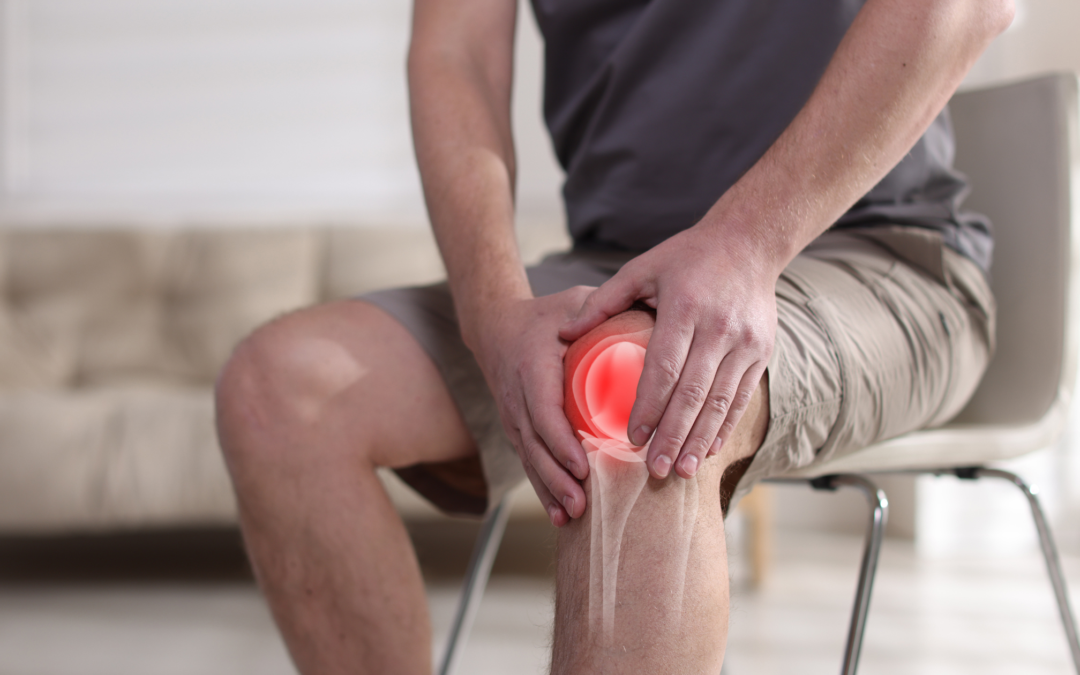
Platelet-Rich Plasma (PRP) therapy has emerged as a promising regenerative treatment for individuals with mild to moderate knee osteoarthritis who want to delay or avoid knee replacement surgery. By using the body’s own healing properties, PRP can help reduce inflammation, promote tissue repair, and improve joint function without surgery.
What Is Knee Osteoarthritis?
Knee osteoarthritis is a degenerative joint disease that occurs when the protective cartilage cushioning the ends of the bones gradually breaks down. As cartilage deteriorates, the bones begin to rub against one another, leading to pain, stiffness, swelling, and decreased mobility.
Several factors can contribute to knee osteoarthritis, including:
- Aging
- Previous knee injuries
- Excess body weight
- Genetics
- Repetitive stress from sports or certain occupations
- Joint misalignment
Although osteoarthritis cannot be completely reversed, treatments can help slow progression, reduce symptoms, and improve quality of life.
Common Symptoms of Knee Osteoarthritis
Symptoms often develop gradually and worsen over time. Patients commonly experience:
- Knee pain during or after activity
- Morning stiffness
- Swelling around the joint
- Reduced range of motion
- Grinding or popping sensations
- Difficulty walking, kneeling, or climbing stairs
- Pain that worsens after prolonged standing or sitting
If conservative treatments no longer provide lasting relief, regenerative therapies like PRP may offer another option.
What Is PRP Therapy?
Platelet-Rich Plasma (PRP) therapy is a minimally invasive regenerative treatment that uses a concentrated sample of your own blood to support the body’s natural healing process.
The procedure begins with a simple blood draw. The blood is placed into a centrifuge, which separates and concentrates the platelets. These platelets contain growth factors and proteins that play an important role in tissue repair and reducing inflammation.
Once prepared, the PRP is injected directly into the arthritic knee using image guidance for precise placement.
Because PRP is created from your own blood, the risk of allergic reactions or rejection is extremely low.
Is PRP for Knee Osteoarthritis Effective?
Unlike corticosteroid injections that primarily reduce inflammation for a limited time, PRP works by stimulating the body’s natural healing response.
Research suggests PRP may help:
- Reduce joint inflammation
- Improve cartilage health
- Support healing of damaged tissues
- Improve joint lubrication
- Reduce chronic pain
- Improve knee function and mobility
Many patients report gradual improvement over several weeks as the healing process progresses.
Who Is a Good Candidate for PRP?
PRP therapy is often recommended for patients who:
- Have mild to moderate knee osteoarthritis
- Continue to experience pain despite physical therapy or medications
- Want to postpone knee replacement surgery
- Prefer a non-surgical treatment option
- Are looking to remain active with less pain
Patients with advanced bone-on-bone arthritis may still benefit in some cases, but outcomes are generally better when treatment begins before severe joint degeneration develops.
An evaluation with an experienced pain management or regenerative medicine specialist can determine whether PRP is appropriate.
What Happens During the Procedure?
PRP injections are typically completed in less than an hour in an outpatient setting.
The procedure generally includes:
- Drawing a small sample of blood.
- Processing the blood to concentrate the platelets.
- Cleaning and preparing the knee.
- Using ultrasound or fluoroscopic guidance to precisely inject the PRP into the affected joint.
Most patients are able to return home immediately afterward.
What Is Recovery Like?
Recovery following PRP therapy is generally straightforward.
Patients may experience mild soreness or swelling for several days as the body’s healing response begins. Ice and activity modification are often recommended during the first few days.
Many patients notice improvements within four to six weeks, although optimal results often develop over two to three months.
Depending on the severity of arthritis, some patients benefit from a series of PRP injections rather than a single treatment.
PRP vs. Cortisone Injections
| PRP Therapy | Cortisone Injection |
|---|---|
| Uses your own platelets | Uses anti-inflammatory medication |
| Supports tissue healing | Primarily reduces inflammation |
| May provide longer-lasting improvement | Often provides shorter-term relief |
| Minimal risk of allergic reaction | Repeated use may contribute to cartilage breakdown |
| Focuses on regeneration | Focuses on symptom management |
Can PRP Delay Knee Replacement Surgery?
While PRP does not regrow an entirely new knee joint, many studies have demonstrated meaningful improvements in pain and function for patients with mild to moderate osteoarthritis.
By improving symptoms and reducing inflammation, PRP may help some patients postpone or avoid knee replacement surgery, allowing them to remain active with less discomfort.
Early treatment often provides the greatest opportunity for successful outcomes.
Why Choose PRP Before Surgery?
Surgery is sometimes necessary for advanced arthritis, but many patients prefer exploring less invasive options first.
- No surgery
- No general anesthesia
- Minimal downtime
- Uses the body’s own healing factors
- Can be repeated if appropriate
- May reduce pain while improving daily function
For active adults who are not yet ready for joint replacement, PRP offers an evidence-based regenerative treatment that addresses the biological processes contributing to osteoarthritis.
Find Out Whether PRP Is Right for Your Knee Pain
Living with knee osteoarthritis does not necessarily mean surgery is your only option. If knee pain is limiting your ability to work, exercise, or enjoy daily life, PRP for knee osteoarthritis may help reduce pain, improve mobility, and support healthier joint function.
An experienced pain management specialist can evaluate your condition, discuss your treatment goals, and determine whether PRP is an appropriate part of your personalized care plan. Early intervention may help you stay active longer while delaying the need for more invasive procedures.