
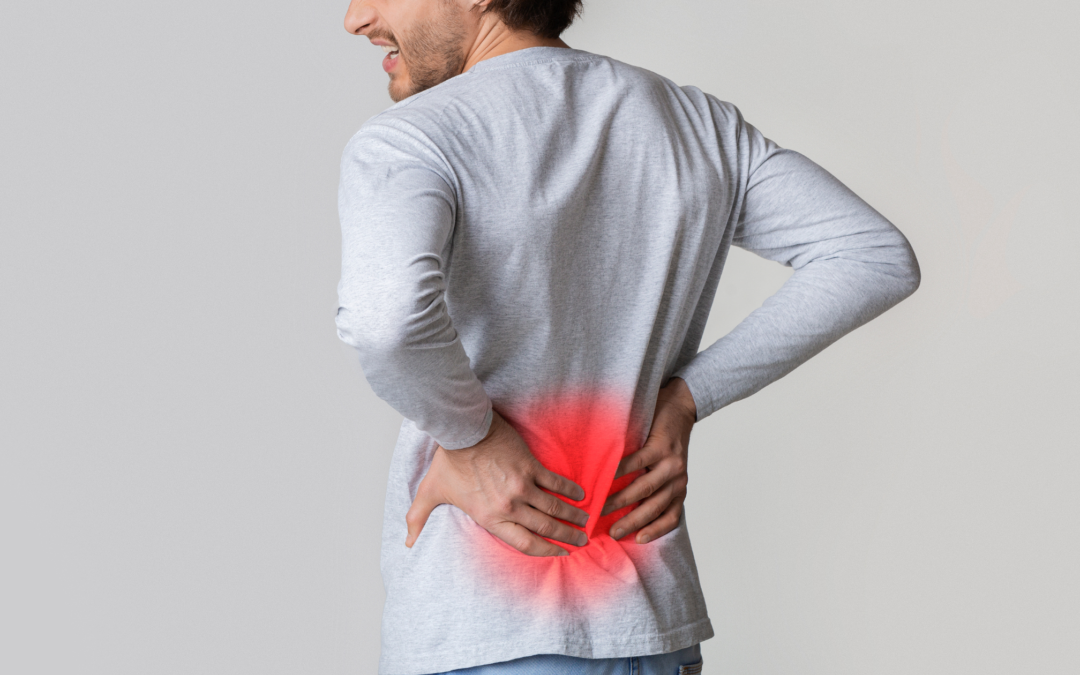
Low back pain is one of the leading causes of missed workdays in the United States, but not all back pain originates from the spine itself. For many people, the true source of discomfort is the sacroiliac (SI) joint, a pair of joints that connect the spine to the pelvis. SI joint pain can make standing, walking, climbing stairs, lifting, or even sitting for long periods uncomfortable, making it difficult to perform everyday job duties.
Fortunately, surgery is rarely the first step. Modern interventional pain management offers several non-surgical treatment options that can relieve SI joint pain, improve mobility, and help patients return to work and normal activities more quickly.
What Is the SI Joint?
The sacroiliac joints are located where the sacrum, the triangular bone at the base of the spine, meets the iliac bones of the pelvis. These joints act as shock absorbers, transferring forces between the upper body and legs while providing stability during movement.
Although these joints move only slightly, inflammation or dysfunction can cause significant pain.
What Causes SI Joint Pain?
SI joint pain develops when the joint becomes irritated, inflamed, or unstable. Common causes include:
- Arthritis affecting the SI joint
- Pregnancy and childbirth
- Degenerative changes with aging
- Previous lumbar spine surgery
- Traumatic injuries or falls
- Repetitive lifting or twisting motions
- Leg length differences
- Poor posture and abnormal gait mechanics
Many physically demanding occupations place repeated stress on the SI joints, increasing the likelihood of chronic pain.
What Are the Symptoms of SI Joint Pain?
SI joint pain often mimics other conditions, making an accurate diagnosis essential.
- Pain on one side of the lower back
- Pain in the buttock
- Discomfort that radiates into the hip or upper thigh
- Pain when standing from a seated position
- Increased pain while climbing stairs
- Difficulty standing or walking for extended periods
- Pain that worsens after prolonged sitting
- Tenderness directly over the SI joint
Unlike sciatica caused by a herniated disc, SI joint pain usually does not travel below the knee.
Why Is SI Joint Pain Often Misdiagnosed?
Because SI joint pain shares symptoms with herniated discs, spinal stenosis, hip arthritis, and muscle strain, many patients spend months treating the wrong condition.
Pain specialists perform a thorough evaluation that may include:
- Physical examination
- Medical history review
- Functional movement testing
- X-rays or MRI imaging when appropriate
- Diagnostic SI joint injections
A diagnostic injection can temporarily numb the SI joint. Significant pain relief after the injection strongly suggests that the SI joint is the source of symptoms.
Can SI Joint Pain Improve Without Surgery?
Yes. Most patients experience improvement through conservative and minimally invasive treatments without needing surgery. Treatment typically focuses on reducing inflammation, restoring stability, and improving movement patterns.
What Lifestyle Changes Can Help SI Joint Pain?
- Improving posture
- Avoiding prolonged sitting
- Taking frequent walking breaks
- Using proper lifting techniques
- Maintaining a healthy weight
- Strengthening the core muscles
- Improving hip flexibility
Does Physical Therapy Help SI Joint Dysfunction?
Physical therapy is often one of the first recommended treatments.
- Core strengthening exercises
- Hip stabilization exercises
- Pelvic alignment techniques
- Stretching tight muscles
- Balance training
- Manual therapy
The goal is to improve stability around the SI joint while reducing abnormal stress during everyday movement.
Can Medications Reduce SI Joint Pain?
Over-the-counter anti-inflammatory medications may help reduce temporary inflammation during flare-ups. Prescription anti-inflammatory medications, muscle relaxants, and topical pain-relieving creams may also be recommended as part of a comprehensive treatment plan.
What Are SI Joint Injections?
SI joint injections are both diagnostic and therapeutic. Using imaging guidance, a pain specialist places medication directly into the SI joint to reduce inflammation and confirm the source of pain. Many patients experience significant relief lasting weeks or months.
Can Radiofrequency Ablation Help SI Joint Pain?
For patients who respond well to diagnostic injections, radiofrequency ablation (RFA) may provide longer-lasting pain relief by interrupting pain signals from the nerves serving the SI joint.
- Reduced chronic pain
- Improved mobility
- Less reliance on medication
- Relief lasting six months or longer for some patients
Are Regenerative Treatments an Option?
Depending on the patient’s condition, platelet-rich plasma (PRP) therapy may be considered to support the body’s natural healing response. A pain specialist can determine whether regenerative medicine is appropriate.
When Is SI Joint Fusion Considered?
Minimally invasive SI joint fusion is generally reserved for patients whose symptoms persist despite exhausting conservative treatments and whose pain has been confirmed to originate from the SI joint.
How Can Early Treatment Help You Return to Work Faster?
Early diagnosis and treatment can reduce pain, restore mobility, improve participation in rehabilitation, and help patients safely return to work sooner while reducing the risk of chronic disability.
Frequently Asked Questions
Can SI joint pain go away on its own?
Mild cases may improve with rest and activity modification, but persistent pain should be evaluated by a pain specialist.
How long does an SI joint injection last?
Relief varies, with many patients experiencing improvement lasting several weeks to several months.
Is walking good for SI joint pain?
Gentle walking often helps maintain mobility, although activities should be individualized.
Can sitting all day make SI joint pain worse?
Yes. Prolonged sitting commonly aggravates SI joint symptoms. Regular standing and walking breaks may help.
How do I know if my pain is coming from my SI joint?
A comprehensive evaluation, physical examination, and diagnostic SI joint injection provide the most accurate diagnosis.
Don’t Let SI Joint Pain Keep You From Living or Working
SI joint pain can interfere with work, exercise, and everyday life. Fortunately, most patients improve without surgery through individualized treatment plans that may include physical therapy, image-guided injections, radiofrequency ablation, and other minimally invasive therapies. If lower back or buttock pain is affecting your ability to stay active or work comfortably, consult an interventional pain specialist to identify the cause and develop a personalized treatment plan.