
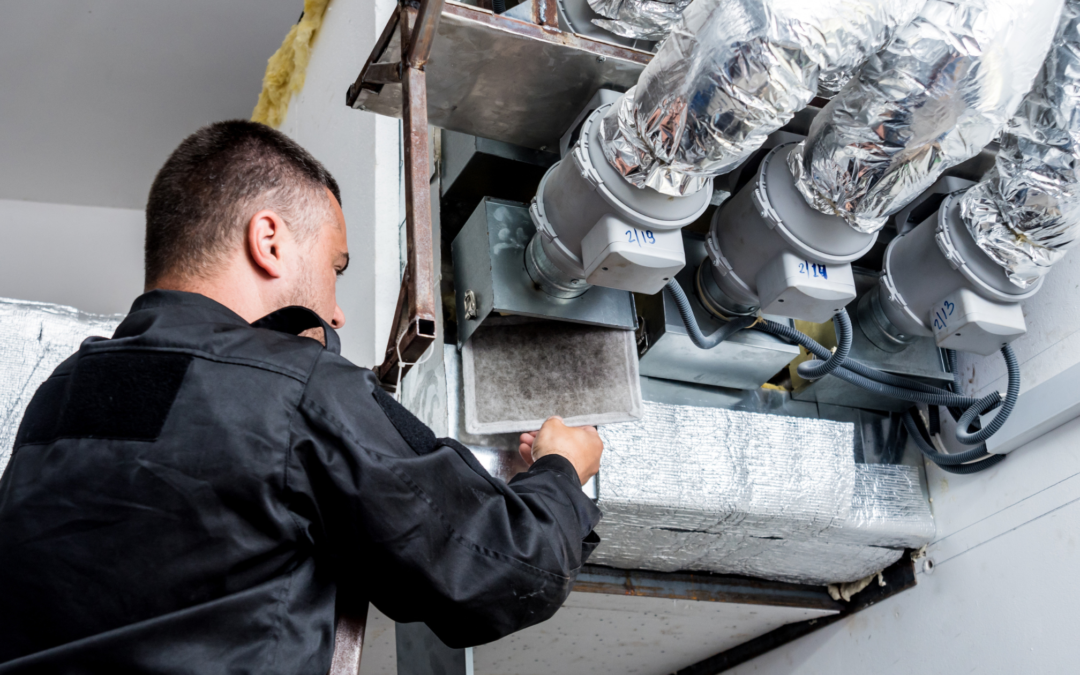
For HVAC technicians, electricians, plumbers, carpenters, construction workers, and other tradespeople, physical work is part of the job. Climbing ladders, kneeling, lifting equipment, working overhead, carrying tools, and spending long hours in awkward positions can place significant stress on the knees, shoulders, hips, elbows, wrists, and spine.
When joint pain begins interfering with work, surgery is not always the first or only option. Increasingly, tradespeople are exploring non-surgical joint treatments designed to reduce pain, improve mobility, and help them remain active while addressing the underlying source of their symptoms.
Why do tradespeople experience so much joint pain?
Why do tradespeople experience so much joint pain? The physical demands of skilled labor can expose joints and surrounding tissues to repetitive stress, heavy loads, awkward positioning, and occasional injuries.
HVAC technicians may spend hours kneeling, crouching, climbing, or reaching overhead. Electricians frequently work with their arms elevated, maneuver through tight spaces, and carry equipment. Construction professionals may repeatedly lift, bend, twist, or operate vibrating tools.
Over time, these demands can contribute to conditions such as osteoarthritis, tendon injuries, bursitis, meniscus problems, rotator cuff injuries, and other sources of musculoskeletal pain. A single accident can also cause an acute injury that becomes a chronic problem if it does not heal properly.
Why can joint pain become a career problem?
Why can joint pain become a career problem? Because tradespeople often cannot simply avoid the movements that aggravate their symptoms.
An office worker may be able to change a workstation or reduce physical activity temporarily. A technician or contractor may still need to climb a ladder, carry a toolbox, crawl into a mechanical space, or work overhead to complete a job.
Persistent pain can affect strength, flexibility, concentration, sleep, and work performance. It may also encourage compensating movements that place additional stress on other joints and muscles.
For independent contractors and skilled workers whose income depends directly on their ability to perform physical tasks, maintaining mobility can be especially important.
Why are tradespeople considering non-surgical joint treatments?
Why are tradespeople considering non-surgical joint treatments? Many want to explore options that may relieve pain and improve function without immediately undergoing an operation or facing an extended surgical recovery.
Non-surgical joint care can include physical therapy, activity modification, targeted injections, regenerative medicine procedures, bracing, and image-guided treatments, depending on the diagnosis.
The appropriate treatment depends on the specific joint, severity of damage, overall health, and cause of pain. A treatment that may be appropriate for knee arthritis, for example, may not be appropriate for a rotator cuff injury or elbow tendinopathy.
What non-surgical joint treatments may be available?
What non-surgical joint treatments may be available? Depending on the condition, a physician may recommend several approaches before considering surgery.
Physical therapy can help improve strength, flexibility, balance, and movement patterns. Corticosteroid injections may provide short-term relief for certain inflammatory joint conditions. Hyaluronic acid injections may be considered for some patients with knee osteoarthritis.
Regenerative medicine procedures, including platelet-rich plasma (PRP), are also being evaluated and used in selected musculoskeletal conditions. PRP uses concentrated platelets from a patient’s own blood and is intended to support the body’s natural healing response. Evidence varies by condition, so treatment decisions should be individualized.
Ultrasound or other imaging guidance can also help physicians precisely target certain injections and procedures.
Can non-surgical treatment help someone stay on the job?
Can non-surgical treatment help someone stay on the job? In some cases, non-surgical treatment may help reduce symptoms and improve function while allowing a person to continue working with appropriate modifications.
The goal is not simply to mask pain. Effective joint care typically begins by determining what is causing the pain and identifying factors that may be contributing to it.
A comprehensive treatment plan may combine targeted treatment with strengthening, mobility work, ergonomic changes, and temporary adjustments to physically demanding tasks. For tradespeople, even relatively small changes in how lifting, kneeling, reaching, or repetitive movements are performed can sometimes reduce stress on painful joints.
Does choosing non-surgical care mean surgery will never be necessary?
Does choosing non-surgical care mean surgery will never be necessary? No. Non-surgical treatment does not eliminate the possibility of surgery in the future.
Some injuries and advanced joint conditions may ultimately require an operation. However, identifying the cause of pain and trying appropriate conservative or minimally invasive treatments first may help determine whether surgery is necessary.
For workers concerned about downtime, a structured non-surgical approach can also provide an opportunity to understand the condition and evaluate how symptoms respond before pursuing a surgical solution.
When should a tradesperson see a joint or pain specialist?
When should a tradesperson see a joint or pain specialist? Evaluation is appropriate when pain persists, repeatedly returns, limits movement, causes weakness, interferes with sleep, or makes normal work duties difficult.
A specialist may review the worker’s symptoms, medical history, physical demands, and previous injuries. Imaging such as X-rays, ultrasound, or MRI may be recommended when appropriate.
Seeking an evaluation early can be particularly important when pain follows a significant injury, is accompanied by substantial weakness or loss of function, or continues despite rest and basic self-care.
What is the long-term goal of non-surgical joint care?
What is the long-term goal of non-surgical joint care? The goal is to help people maintain mobility, manage pain, and participate in the activities that matter to them, including physically demanding work.
For HVAC technicians, electricians, and other tradespeople, joint health is closely connected to earning a living. Non-surgical joint treatments can provide another pathway for addressing musculoskeletal pain while potentially reducing the need for immediate surgery.
The best approach depends on the individual diagnosis. A personalized evaluation can help determine whether physical therapy, injections, regenerative medicine, or another treatment is appropriate.
Medical Disclaimer: This article is for educational purposes only and is not a substitute for professional medical advice, diagnosis, or treatment. Treatment options and outcomes vary by individual. A qualified healthcare professional should evaluate persistent or worsening joint pain.